
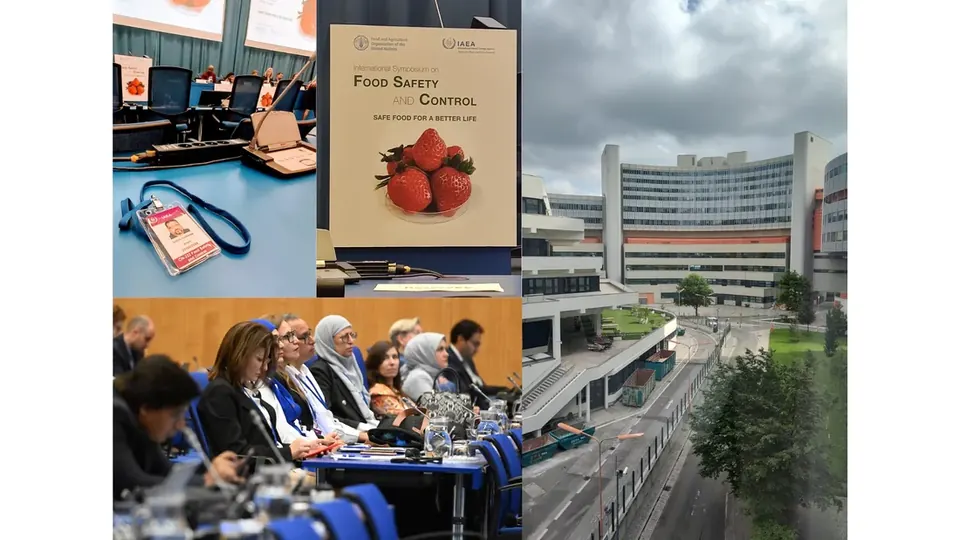
Vienna, Austria – May 31, 2024 — OpenScience, dedicated to developing innovative solutions for food quality, safety, and integrity, has just returned from the International Symposium on Food Safety and Control, held at the United Nations headquarters in Vienna. The event, which brought together global food safety experts, allowed OpenScience to share its cutting-edge technologies and reinforce its commitment to a safer and more sustainable world.
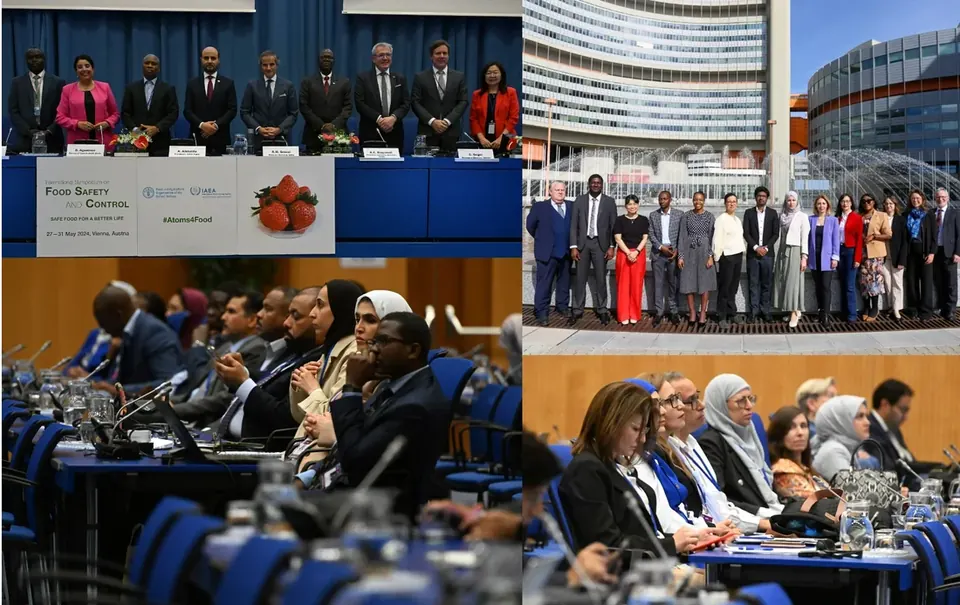 Images taken during the Symposium
During the symposium, OpenScience presented its latest innovations, including the Multispectral Microscope and low-cost imaging technologies, which are essential in the fight against food fraud. OpenScience's participation highlighted the importance of advanced technologies for ensuring the integrity of the food supply chain.
OpenScience's presentation included practical demonstrations of how its inclusive analytical tools can be used to detect food fraud quickly and accurately. These technologies are part of a broader effort to promote global food safety, one of the main goals of the symposium.
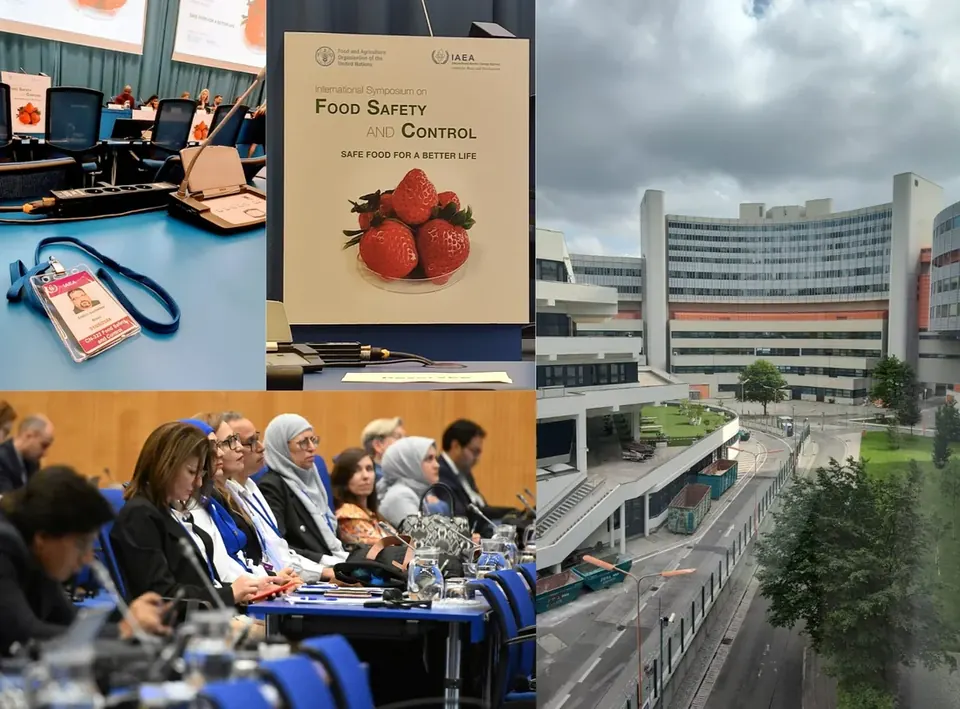 Images taken during the Symposium
Global Impact and Collaborations
The symposium also served as a meeting point for strengthening international collaborations. OpenScience stressed the importance of cooperating with organizations such as IICA, FAO, IAEA, and MAPA (the Brazilian Ministry of Agriculture and Livestock), highlighting the application of its expertise in analytical chemistry and non-targeted approaches to support agricultural integrity and safety.
Commitment to Sustainability
OpenScience reaffirmed its commitment to sustainability by developing scientific and technological solutions to detect risks, combat fraud, and provide interactive intelligence. The company pursues sensory and nutritional quality, protecting workers from exhausting workloads and moving them toward more meaningful roles.
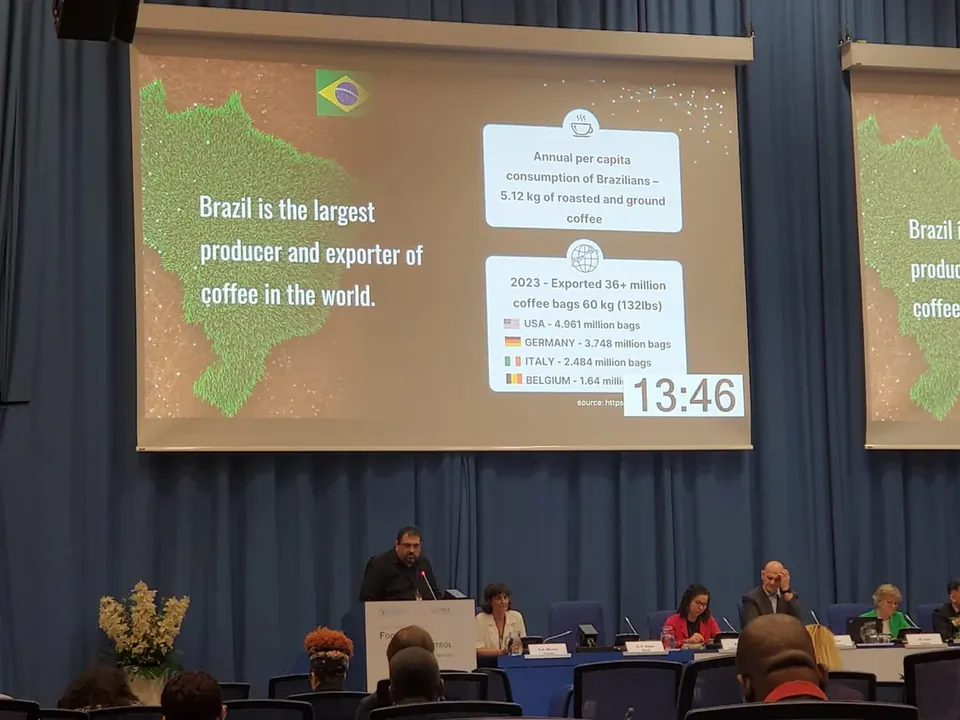 Guilherme Post Sabin, Founder of OpenScience, presenting at the International Symposium on Food Safety and Control
"We are dedicated to using Technology 5.0 to find sustainable and intelligent solutions. Our work is aligned with the United Nations' 17 Sustainable Development Goals, ensuring a more sustainable and equitable future," says Guilherme Post Sabin, founder of OpenScience.
Next Steps
OpenScience will continue to innovate and collaborate with global partners to address food safety challenges. Having returned from the symposium, the company is more motivated than ever to advance its mission of creating technologies that benefit society.
We invite everyone to join us on this journey. Together, we can harness the power of science to create a better world for all.
Innovations in Industry
Beyond its presentations at the symposium, OpenScience also works on several fronts to advance information management and decision-making in industry. Our extensive experience in large industrial projects allows us to develop tools for new genetic varieties, data-driven targeted management, and rigorous quality control. Our solutions are fast, user-friendly, and adapted to industrial complexity, being interactive and simple for non-specialist professionals.
With Technology 5.0, such as artificial intelligence, big data, and IoT, we are driving product and market development. In addition, our technological tools help producers produce more and better, increasing the efficiency and sustainability of agricultural operations. OpenScience highlights its role in delivering value on several fronts, including food production, food safety, and transparency. Our analytical solutions not only detect fraud but also provide critical business intelligence to improve the efficiency, quality, and sustainability of operations. The technologies developed by OpenScience enable greater transparency across the entire production chain, benefiting producers, consumers, and regulators.
OpenScience works in alignment with cooperatives, workers' unions, the food industry, and State institutions, which are essential to ensuring the common good.
Acknowledgments
We would like to express our sincere thanks to the IAEA for the funding and for the opportunity to take part in the discussions on food fraud. We thank Itamaraty (the Brazilian Ministry of Foreign Affairs) for its unconditional support, our academic collaborations with UFPR (Federal University of Paraná), UFRGS (Federal University of Rio Grande do Sul), and UNICAMP (University of Campinas), and MAPA for providing a unique opportunity for engagement. Finally, I personally thank IICA for the opportunity to work on this highly relevant topic within State strategies.
For more information about OpenScience's projects and collaborations, visit our website using the button below:
Learn moreOpenScience – Science for a Better World